Serving Enterprises Across USA


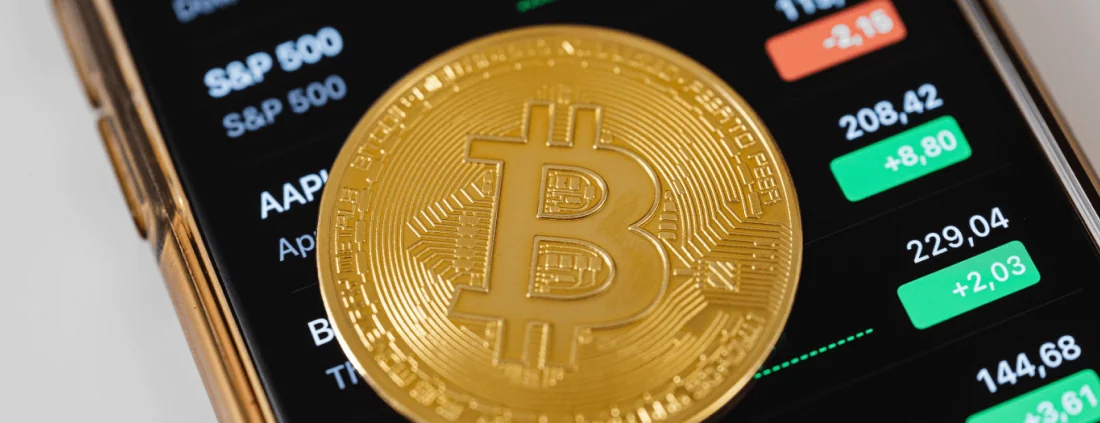
Blockchain is a shared, immutable ledger that facilitates the process of recording transactions and tracking assets in a business network. An asset can be tangible (a house, car, cash or land) or intangible (intellectual property, patents, copyrights or branding). Virtually anything of value can be tracked and traded on a blockchain network.
How it works
Each transaction is recorded as a block of data. Blocks are linked together in a chain, and every new block confirms the ones before it, so records cannot be altered without the network noticing. Participants share the same ledger, which removes the need to reconcile separate copies.
Where it creates business value
Blockchain is most useful when several parties need to trust the same records without a central intermediary: supply chain traceability, trade finance, tokenized assets, digital identity and automated agreements through smart contracts.
It is not the right tool for every problem. We start with use-case discovery to confirm that a shared ledger solves a real business problem before recommending it.